Field notes: a third stacker showed up the same month the mill went to two shifts
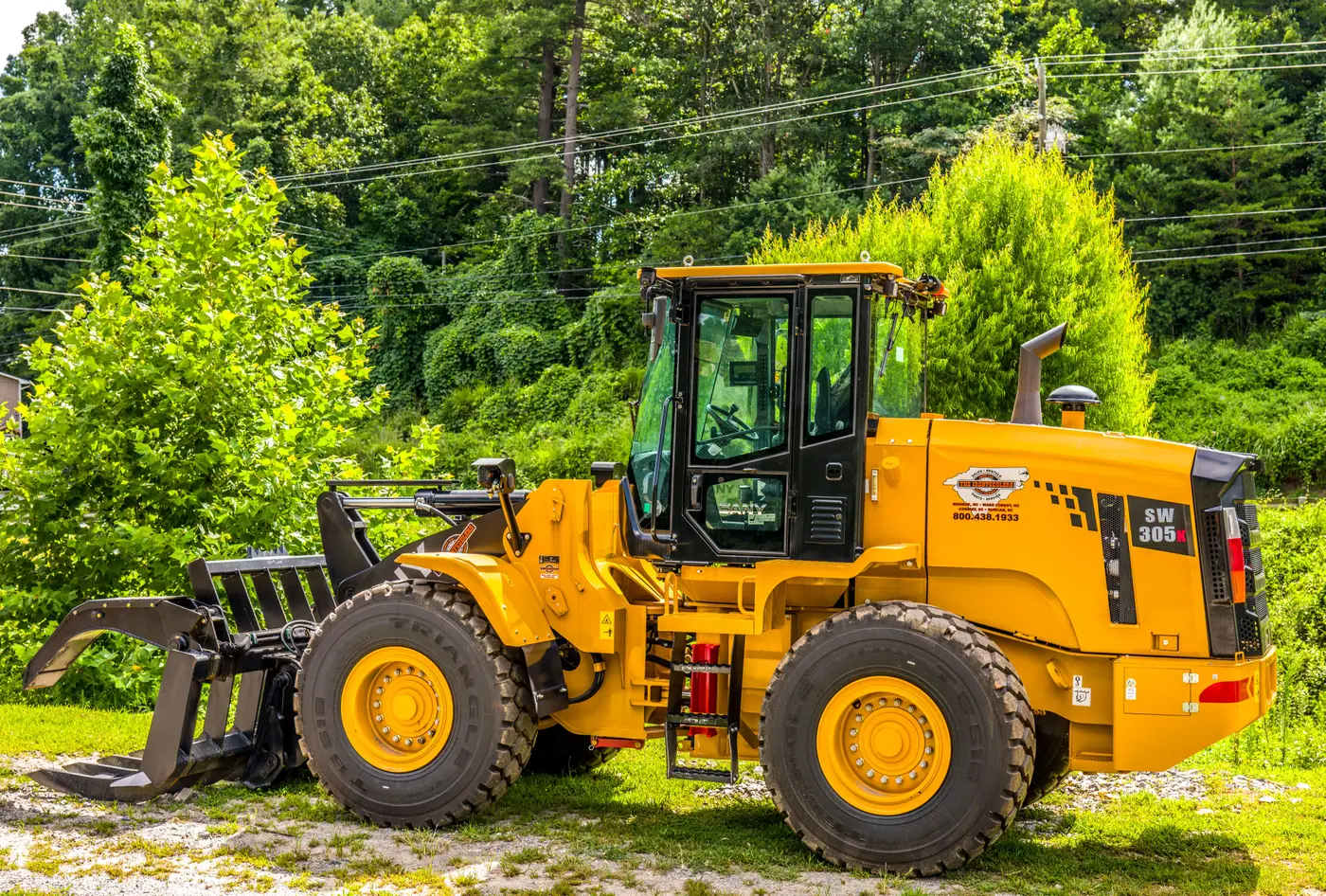
Every rep who's worked timber accounts long enough has a version of this story. A yard that's been running two log stackers for years, steady, nothing dramatic, suddenly has a third sitting on the pad. A few weeks later you hear through a parts distributor that the mill added a second shift. Nobody called you. Nobody sent a memo. The equipment showed up before the news did.
It's a pattern that repeats across the trade often enough to be worth naming: yard equipment counts move ahead of the information that normally reaches a sales territory. A mill announces a shift change to its own crew first, and maybe to the local paper if the town's small enough to care, well before it reaches a vendor list. But the yard has to handle the extra infeed before the second shift ever clocks in, and handling extra infeed means another stacker, another loader, sometimes a second crane working the far end of the deck while the first one stays on the green end.
Think about the sequence from the mill's side. A mill adds a shift because the order book says it needs the capacity. It won't commit to that kind of overhead without lining up the log supply first. So the yard grows before the shift does. Decks get built up ahead of the ramp, because nobody wants a hot second shift sitting idle on a log shortage three weeks in. By the time a rep hears "we went to two shifts" secondhand, the yard's already been running heavier for a month or two.
That lag is the whole opportunity, and it's also the whole problem. A quarterly windshield survey catches it eventually, but a drive-by every ninety days means you're working with a stale picture half the time, and a mill visit to ask directly tips your hand before you've got anything to offer. Most reps split the difference and just wait for the phone to ring, which means you're competing for the order instead of showing up with it already quoted.
What tips a rep off, in the yards we've watched, is two small signals landing together: the stacker count ticking up and the log deck itself getting visibly deeper. Either one alone could be seasonal, a contractor parked a loaner for a week, a slow log truck schedule stacked the deck higher than usual. Both at once, on the same yard, in the same read, is a different animal. That's a yard building inventory to feed a crew it doesn't have yet, or just put on.
Catching it means looking at the same ground on a regular enough cadence that the change from one pass to the next actually tells you something, which is the whole reason this counts stackers, cranes, and loaders across a territory on a quarterly pass and reads deck volume alongside the equipment, instead of treating either number on its own.
The honest version of this trade is that you're always a little behind the mill's own decision-making. You can't be in the room when they pencil out a second shift. But you can be the rep who already knows the yard's been loading up for it, and shows up with the right stacker quote before anyone else figures out why the gate traffic changed.
If you've got a handful of yards on your territory map that you'd rather read than drive, that's the whole point of what we're building here.